
Introduction
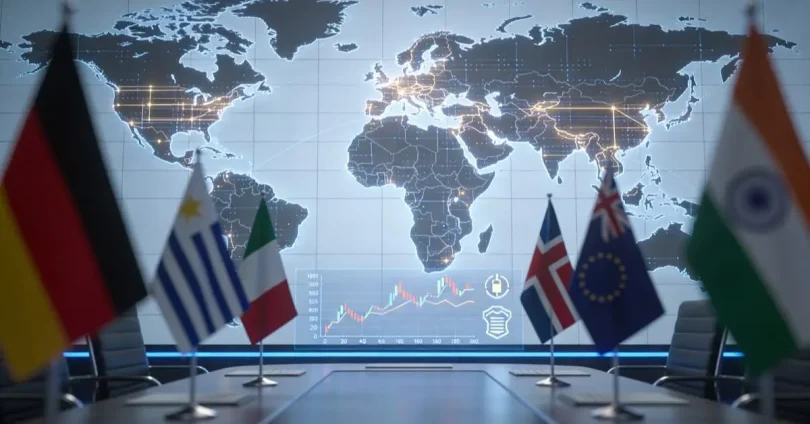
Global Politics and International Relations have become increasingly important in today’s interconnected world. Every nation, regardless of its size or level of development, is connected to other countries through trade, diplomacy, technology, culture, security, and environmental cooperation. Decisions made by one government can influence economies, societies, and political developments across the globe within hours. As a result, understanding how countries interact with one another has become essential not only for political leaders and diplomats but also for students, professionals, business owners, and ordinary citizens.
In the past, countries often focused mainly on their own domestic affairs. While international relationships existed, communication was slower, trade was more limited, and global cooperation was less organized than it is today. Modern technology, faster transportation, and digital communication have transformed the international landscape. Nations now rely on each other for energy supplies, food production, medical research, technological innovation, financial markets, and security partnerships. Because of these growing connections, events occurring in one part of the world can quickly affect people living thousands of miles away.
Global Politics and International Relations examine these connections by studying how governments, international organizations, businesses, and other institutions interact. This field seeks to explain why countries cooperate in some situations while competing in others. It also explores how alliances are formed, how conflicts arise, how negotiations succeed, and how international agreements shape the future of nations. Understanding these processes helps people interpret world events with greater accuracy and avoid relying solely on headlines or simplified explanations.
One of the most significant aspects of Global Politics and International Relations is diplomacy. Diplomacy is the practice of managing relationships between countries through dialogue, negotiation, and peaceful communication. Skilled diplomats work to build trust, resolve disagreements, negotiate trade agreements, protect national interests, and prevent conflicts from escalating into violence. Successful diplomacy often goes unnoticed because its greatest achievement is preventing crises before they occur. Behind many peaceful international relationships are years of careful negotiations, mutual understanding, and continuous communication.
Economic cooperation is another major element of international relations. Countries rarely produce everything they need on their own. Instead, they exchange goods, services, technology, natural resources, and investments through international trade. A country may export agricultural products while importing advanced machinery, medical equipment, or electronic devices. These exchanges strengthen economies, create employment opportunities, encourage innovation, and improve living standards. However, they also require careful negotiation to ensure that trade remains fair and beneficial for all parties involved.
Global Politics and International Relations also play a critical role in maintaining international security. Modern security challenges extend far beyond traditional military conflicts. Governments now cooperate to address terrorism, cybercrime, human trafficking, organized crime, nuclear proliferation, piracy, and border security. Since many of these threats cross national boundaries, countries often share intelligence, conduct joint operations, and develop international agreements to protect their citizens. These collaborative efforts demonstrate that security has become a shared global responsibility rather than an issue that individual countries can solve independently.
Environmental protection has emerged as another key area within Global Politics and International Relations. Climate change, pollution, deforestation, biodiversity loss, and water scarcity affect every region of the world. Greenhouse gas emissions produced in one country contribute to global climate patterns that impact agriculture, weather conditions, and ecosystems worldwide. Because environmental challenges do not recognize political borders, governments must cooperate through international agreements and scientific partnerships to reduce emissions, protect natural resources, and promote sustainable development. This cooperation highlights the importance of collective action in addressing global issues.
International organizations further strengthen cooperation among nations by providing platforms for dialogue, coordination, and conflict resolution. Institutions such as the United Nations, World Health Organization, International Monetary Fund, World Bank, and World Trade Organization help countries work together on issues ranging from public health and economic development to humanitarian assistance and peacekeeping operations. Although these organizations sometimes face political disagreements and operational challenges, they remain valuable mechanisms for encouraging international collaboration and promoting stability.
Another reason to study Global Politics and International Relations is the growing influence of globalization. Advances in communication technology, transportation, and digital connectivity have made international interactions more frequent than ever before. Businesses operate across multiple countries, universities collaborate on research projects, tourists travel internationally, and information spreads instantly through digital media. While globalization creates numerous opportunities for economic growth and cultural exchange, it also introduces challenges such as financial instability, cyber threats, misinformation, migration pressures, and global health emergencies. Understanding these interconnected developments enables individuals to appreciate both the benefits and complexities of living in an increasingly globalized society.
For beginners, Global Politics and International Relations may initially appear complicated because the subject combines history, economics, geography, law, political science, and sociology. However, learning the fundamentals becomes much easier when concepts are approached systematically. By understanding ideas such as sovereignty, diplomacy, foreign policy, international law, trade, alliances, and global governance, readers develop a solid foundation for interpreting international events and recognizing the factors that influence government decisions.
Ultimately, studying Global Politics and International Relations is about understanding how the world functions as a connected community of nations. Every international agreement, diplomatic meeting, trade negotiation, humanitarian mission, and security partnership contributes to shaping the global environment in which people live and work. Whether you aspire to pursue a career in public service, international business, journalism, law, education, or simply wish to become a more informed global citizen, gaining knowledge of international relations provides valuable insights into the forces that shape modern society. As the world continues to evolve through technological innovation, economic integration, and geopolitical change, understanding Global Politics and International Relations becomes an increasingly valuable skill that empowers individuals to interpret global events with confidence, critical thinking, and a broader perspective.
What is Global Politics and International Relations?

Global Politics and International Relations refer to the study of how countries interact with one another on political, economic, social, and security issues. It explores the relationships between governments, international organizations, multinational corporations, and even non-governmental organizations.
The subject focuses on understanding why countries cooperate in some situations while competing in others. It examines diplomacy, foreign policy, international law, military alliances, trade agreements, humanitarian efforts, and conflict resolution.
Some major areas include:
- International diplomacy
- Foreign policy
- International trade
- Global security
- Human rights
- Environmental cooperation
- International organizations
- Regional alliances
Understanding these areas helps explain why world events happen and how nations influence one another.
Why is Global Politics and International Relations Important?
Global Politics and International Relations play an essential role in maintaining peace, encouraging development, and solving international challenges.
Promotes Peace
Diplomatic negotiations reduce tensions and prevent conflicts between countries. Open communication often avoids misunderstandings that could lead to war.
Encourages Economic Growth
International trade agreements allow countries to exchange goods, services, technology, and investments, creating jobs and boosting economies.
Supports Humanitarian Efforts
Countries work together during natural disasters, health emergencies, and humanitarian crises by providing aid and resources.
Protects Global Security
Nations cooperate against terrorism, cyber threats, organized crime, and nuclear proliferation through shared intelligence and security partnerships.
Addresses Global Challenges
Climate change, pollution, migration, and public health require coordinated international action because these issues extend beyond national borders.
Step-by-Step Guide to Understanding Global Politics and International Relations
Step 1: Learn About Sovereign States
Every country is considered a sovereign state with its own government, laws, and territory. Sovereignty means that a country has the authority to govern itself without outside interference.
Examples include:
- Independent governments
- National borders
- Political systems
- Constitutions
Understanding sovereignty is the first step toward understanding international relations.
Step 2: Understand Foreign Policy
Foreign policy is the strategy a country uses when dealing with other nations.
Governments create foreign policies to achieve goals such as:
- National security
- Economic development
- Political influence
- International cooperation
Foreign policy decisions often shape diplomatic relationships for years.
Step 3: Learn the Importance of Diplomacy
Diplomacy is the peaceful management of international relationships through negotiation and communication.
Diplomats represent their countries by:
- Negotiating treaties
- Holding meetings
- Solving disputes
- Building partnerships
- Protecting national interests
Effective diplomacy often prevents conflicts before they become serious.
Step 4: Understand International Organizations
Many global issues require cooperation beyond individual governments.
Important international organizations include:
- United Nations (UN)
- World Trade Organization (WTO)
- International Monetary Fund (IMF)
- World Bank
- World Health Organization (WHO)
These organizations help coordinate international policies, humanitarian aid, development projects, and economic cooperation.
Step 5: Study International Trade
Trade connects countries economically.
Nations exchange:
- Food
- Energy
- Technology
- Raw materials
- Manufactured goods
- Services
Trade agreements reduce barriers and encourage investment while strengthening diplomatic relationships.
Step 6: Explore Global Security
Security remains one of the most important topics in international relations.
Major security concerns include:
- Armed conflicts
- Terrorism
- Cybersecurity
- Nuclear weapons
- Border security
- Maritime security
Countries often cooperate through alliances and intelligence sharing to address these threats.
Step 7: Understand International Law
International law establishes rules that countries are expected to follow.
These laws cover:
- Human rights
- Maritime boundaries
- Armed conflict
- Trade regulations
- Diplomatic immunity
- Environmental protection
Although enforcement can be difficult, international law encourages cooperation and accountability.
Benefits of Global Politics and International Relations
- Encourages peaceful cooperation between nations.
- Expands international trade opportunities.
- Supports economic growth worldwide.
- Promotes cultural understanding.
- Helps resolve conflicts peacefully.
- Improves responses to global emergencies.
- Encourages scientific and technological cooperation.
- Strengthens international security partnerships.
- Protects human rights through international agreements.
- Promotes sustainable development initiatives.
Disadvantages and Risks
- Political conflicts may escalate into wars.
- Economic sanctions can harm civilian populations.
- Unequal power among nations may influence negotiations.
- International organizations sometimes face political disagreements.
- Global crises spread quickly across borders.
- Trade disputes may disrupt economies.
- Cyberattacks increasingly threaten national security.
- Misinformation can create diplomatic tensions.
Common Mistakes to Avoid
Many beginners misunderstand Global Politics and International Relations because they focus only on headlines instead of broader trends.
Avoid these common mistakes:
- Assuming every country has the same political system.
- Ignoring historical context behind conflicts.
- Believing diplomacy produces immediate results.
- Overlooking economic factors in international decisions.
- Confusing international organizations with national governments.
- Relying on a single news source.
- Ignoring cultural differences between nations.
- Assuming military power is the only source of influence.
Developing a balanced understanding requires studying politics, economics, history, geography, and international law together.
FAQs
What is the main purpose of Global Politics and International Relations?
Its purpose is to understand how countries cooperate, compete, negotiate, and solve international problems through diplomacy, trade, and international institutions.
Why is diplomacy important?
Diplomacy allows countries to communicate peacefully, negotiate agreements, reduce tensions, and strengthen international cooperation without using force.
What role do international organizations play?
International organizations coordinate global efforts on health, trade, peacekeeping, development, education, and humanitarian assistance while encouraging cooperation among nations.
How does international trade affect countries?
Trade creates jobs, increases investment, improves access to goods and services, supports innovation, and strengthens relationships between trading partners.
Can small countries influence global politics?
Yes. Small countries often contribute through diplomacy, regional alliances, specialized industries, international organizations, and peacekeeping missions.
Why should students learn Global Politics and International Relations?
Learning these subjects improves critical thinking, expands global awareness, helps interpret international news, and prepares students for careers in diplomacy, journalism, law, economics, business, and public policy.
Expert Tips & Bonus Points
Build your understanding gradually by following international news regularly instead of only during major crises. Compare coverage from different media sources to recognize varying perspectives. Study geography because location often influences political decisions and economic interests.
Learning basic history also makes international events easier to understand. Many modern disputes have historical roots that continue to influence diplomacy today.
Pay attention to economic indicators such as trade agreements, inflation, and energy markets because economics strongly shapes foreign policy decisions.
Finally, keep an open mind. Global Politics and International Relations involve complex issues with multiple viewpoints. Avoid making quick judgments without considering political, cultural, historical, and economic factors.
Conclusion

Global Politics and International Relations play a vital role in shaping the modern world by influencing diplomacy, international trade, security, economic development, environmental protection, and humanitarian cooperation. As countries become increasingly interconnected, decisions made by one nation often have far-reaching effects on others. Understanding the principles of Global Politics and International Relations helps readers make sense of world events, international conflicts, diplomatic negotiations, and global partnerships. By learning about sovereignty, foreign policy, international law, and the role of global organizations, beginners can build a strong foundation for understanding how nations cooperate and compete in an ever-changing international environment.
Developing knowledge in Global Politics and International Relations is valuable not only for academic purposes but also for becoming a more informed global citizen. It encourages critical thinking, promotes awareness of different cultures and perspectives, and helps individuals evaluate international news with greater confidence. As global challenges such as climate change, cybersecurity, public health, and economic uncertainty continue to evolve, international cooperation will remain essential for creating lasting solutions. By continuing to explore this field, staying informed about world affairs, and appreciating the importance of diplomacy and collaboration, readers will gain a deeper understanding of the forces shaping our interconnected world and be better prepared to engage with the opportunities and challenges of the future.