
Introduction
Modern commercial aircraft are among the safest forms of transportation ever created, thanks largely to continuous improvements in aviation technology and accident investigation. One of the most important tools behind these improvements is the aircraft black box. Although most travelers have heard the term, many people still wonder how black boxes work and how they survive aircraft crashes.
A black box is much more than a recording device. It continuously captures vital flight information and cockpit conversations, creating a detailed timeline of everything that happens before, during, and after a flight. If an accident occurs, investigators rely on this information to understand exactly what happened and to identify ways to prevent similar incidents in the future.
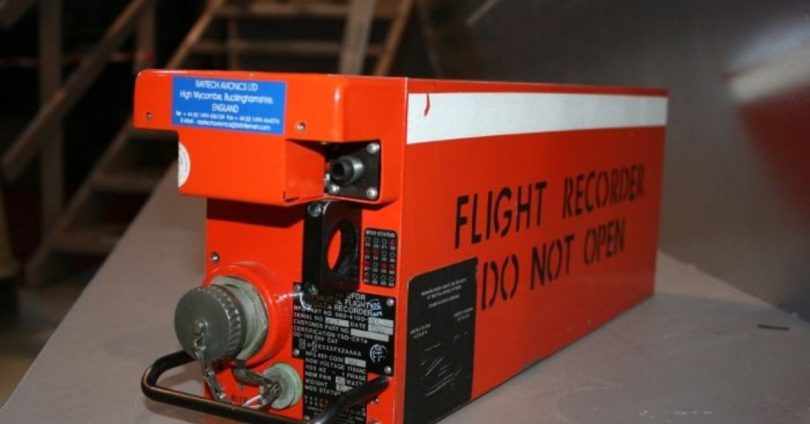
Interestingly, a black box is not actually black. It is painted bright orange so recovery teams can easily locate it among wreckage or underwater debris. Designed to withstand some of the harshest conditions imaginable, these recorders can survive intense impacts, extreme temperatures, crushing pressure, and prolonged immersion in water.
In this comprehensive guide, you’ll learn what an aircraft black box is, how it works, why it survives catastrophic crashes, and why it remains one of the most valuable safety technologies in modern aviation.
What Is an Aircraft Black Box?
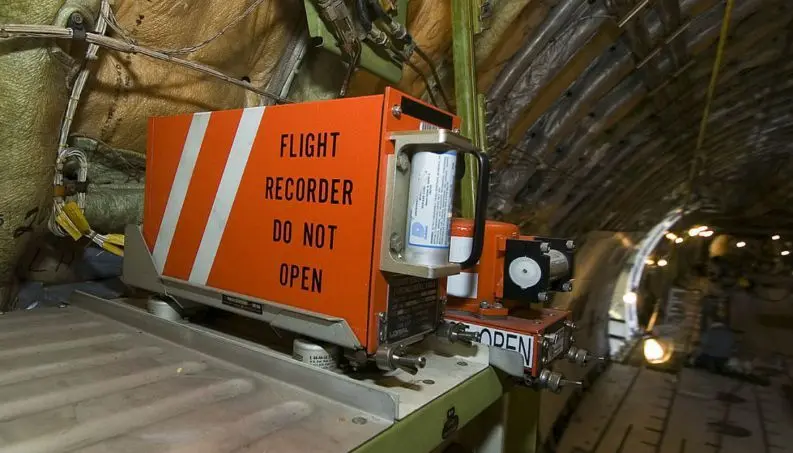
An aircraft black box is a specialized flight recording system installed in nearly every commercial airplane. Despite its name, it consists of two separate devices that continuously collect critical flight information.
These include:
- Flight Data Recorder (FDR) – records hundreds or even thousands of aircraft performance parameters.
- Cockpit Voice Recorder (CVR) – records conversations, alarms, radio communications, and cockpit sounds.
Together, these systems provide investigators with an accurate picture of an aircraft’s final moments.
Latest Background
Commercial aviation authorities around the world require flight recorders on most passenger aircraft. Over decades, improvements in recording technology have dramatically increased the amount of information these devices store.
Early recorders used magnetic tape, while modern aircraft rely on durable solid-state memory, similar in concept to flash storage but engineered specifically for extreme environments.
Detailed Core Guide
Why Is It Called a Black Box?
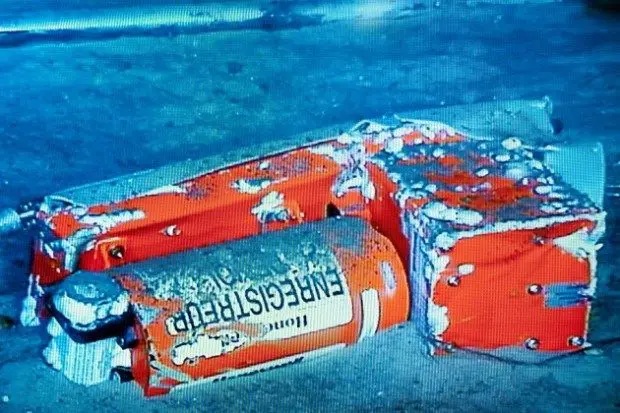
One of aviation’s biggest misconceptions is that the recorder is black.
In reality, modern flight recorders are painted bright orange or bright red-orange with reflective markings.
The vivid color makes them easier to locate after accidents, especially:
- Underwater
- Dense forests
- Mountains
- Snow-covered terrain
- Burned wreckage
The nickname “black box” has remained despite its actual appearance.
The Two Main Parts of a Black Box
Flight Data Recorder (FDR)
The Flight Data Recorder continuously monitors nearly every important system onboard the aircraft.
It records information such as:
- Airspeed
- Altitude
- Engine performance
- Heading
- Fuel flow
- Flap position
- Landing gear status
- Autopilot activity
- Vertical speed
- Cabin pressure
- Flight controls
Modern aircraft can record thousands of flight parameters every second, giving investigators extraordinary insight into aircraft performance.
Cockpit Voice Recorder (CVR)
The Cockpit Voice Recorder captures the sounds inside the cockpit.
These include:
- Pilot conversations
- Air traffic control communications
- Warning alarms
- Engine sounds
- Switch movements
- Background noises
- Audible alerts
These recordings help investigators understand how pilots responded during critical situations.
How Does a Black Box Work on an Airplane?
A black box begins recording automatically when the aircraft receives electrical power.
Throughout the flight, dozens of onboard sensors send information to the Flight Data Recorder. At the same time, microphones inside the cockpit continuously record audio for the Cockpit Voice Recorder.
Rather than filling up permanently, the system works as a continuous recording loop. Older information is gradually overwritten by newer recordings, ensuring that the most recent hours of flight data are always available if an accident occurs.
This automatic process requires no action from the pilots during normal operations.
Where Is the Black Box Located?
Most commercial aircraft place the flight recorder near the tail section of the airplane.
Engineers selected this location because statistical accident analysis has shown that the rear portion of an aircraft often experiences less structural damage than the nose or center fuselage.
Positioning the recorder near the tail increases its chances of surviving a severe crash.
What Is a Black Box Made Of?
A black box is engineered using multiple protective layers designed to shield the internal memory from catastrophic damage.
Typical construction includes:
- Titanium or stainless-steel outer shell
- High-temperature insulation
- Shock-absorbing materials
- Solid-state memory modules
- Waterproof sealing systems
- Corrosion-resistant components
Each layer serves a specific purpose, ensuring that the recorded data remains intact even after extremely violent impacts.
How Does a Black Box Survive a Plane Crash?
The remarkable durability of an aircraft black box comes from its specialized engineering rather than a single protective feature.
Key survival technologies include:
Extreme Impact Resistance
The recorder is designed to tolerate enormous crash forces generated during high-speed impacts.
Heavy-duty protective casings absorb and distribute energy before it reaches the memory unit.
Fire Protection
Aircraft accidents may involve intense fires.
The recorder’s insulation protects its electronics from extreme temperatures long enough for investigators to recover the device.
Crush Resistance
Even if large sections of an aircraft collapse during impact, the internal memory remains protected by reinforced structural materials.
Water Protection
If an aircraft crashes into the ocean or a lake, waterproof seals prevent water from damaging the memory modules.
Many recorders can remain submerged for extended periods while preserving the recorded information.
- Benefits & Practical Use Cases
- Drawbacks / Risks / Limitations
- Myths vs Reality
- Hidden Facts Competitors Miss
- FAQs (covering all Google PAA questions)
- Expert Tips
- 200–250 Word Conclusion
- Featured Image Suggestion & SEO Alt Text
- Complete JSON-LD (Article + FAQ Schema)
- Recommended Internal Linking Anchor Texts
- EEAT references and final SEO optimization.
Benefits & Practical Use Cases
Aircraft black boxes are far more than accident investigation tools. They contribute to nearly every aspect of modern aviation safety by helping manufacturers, airlines, regulators, and investigators learn from real-world events.
Improves Aviation Safety
Every recovered black box provides valuable information that helps experts identify the causes of accidents or serious incidents. The lessons learned often lead to improved aircraft designs, updated procedures, and enhanced pilot training.
Supports Accurate Accident Investigations
Rather than relying on eyewitness accounts or physical evidence alone, investigators can analyze objective flight data and cockpit audio. This helps reconstruct the sequence of events with much greater accuracy.
Helps Train Pilots
Anonymous data collected from incidents can be incorporated into pilot training programs, allowing crews to practice responding to similar situations in flight simulators.
Enhances Aircraft Design
Aircraft manufacturers use investigation findings to improve aircraft systems, software, cockpit layouts, and warning systems, reducing the likelihood of future accidents.
Builds Passenger Confidence
Knowing that every major accident is thoroughly investigated using reliable flight data reassures passengers that aviation continuously learns and improves from past events.
Drawbacks, Risks & Limitations
While black boxes are highly effective, they are not without limitations.
| Limitation | Explanation |
|---|---|
| Recording Duration | Cockpit Voice Recorders store only a limited amount of recent audio before older recordings are overwritten. |
| Recovery Challenges | Locating a recorder in deep oceans or remote terrain can take weeks or months. |
| Physical Damage | Although extremely durable, severe impacts or prolonged environmental exposure can still complicate data recovery. |
| No Live Monitoring | Traditional black boxes store information locally rather than transmitting all flight data in real time. |
| Interpretation Required | Data alone does not explain every event; investigators must analyze it alongside maintenance records, weather reports, radar data, and wreckage evidence. |
Despite these limitations, black boxes remain one of the most reliable tools in aviation safety. Myths vs. Reality
| Myth | Reality |
|---|---|
| Black boxes are black. | They are painted bright orange to improve visibility during recovery. |
| They never get damaged. | They are extremely durable, but recovery conditions vary depending on the accident. |
| They record video inside the cockpit. | Most commercial aircraft black boxes record flight data and cockpit audio, not video. |
| Black boxes prevent crashes. | They do not prevent accidents directly; they help investigators understand causes and improve future safety. |
| Every aircraft has only one black box. | Most commercial aircraft carry two recorders: a Flight Data Recorder (FDR) and a Cockpit Voice Recorder (CVR). |
Hidden Details & Bonus Information
Many articles stop after explaining what a black box is. Here are some lesser-known facts that add valuable context:
The “Black Box” Is Actually Orange
The bright orange color, combined with reflective strips, makes the recorder easier to locate in debris fields, forests, deserts, and underwater environments.
It Contains an Underwater Locator Beacon (ULB)
Most flight recorders include an Underwater Locator Beacon, commonly called a “pinger.” If submerged, it emits acoustic signals that help search teams locate the recorder.
Solid-State Memory Improves Reliability
Modern flight recorders use solid-state memory instead of magnetic tape, making them more resistant to vibration, shock, and wear.
Black Boxes Help Improve Future Aircraft
Investigation findings influence new aircraft designs, pilot training, maintenance procedures, and safety regulations worldwide.
Researchers Are Exploring New Technologies
The aviation industry continues to evaluate complementary technologies such as real-time flight data streaming and deployable flight recorders. These are intended to enhance investigations rather than replace traditional black boxes.
Frequently Asked Questions (FAQs)
How does a black box survive a plane crash?
A black box survives through a combination of a reinforced metal casing, heat-resistant insulation, shock-absorbing materials, and waterproof construction. These features protect the internal memory from impact, fire, and water damage.
How does a black box work on an airplane?
A black box automatically records flight data from onboard sensors and captures cockpit audio during flight. The information is continuously stored on secure memory modules until it is overwritten or recovered after an incident.
Has a black box ever been destroyed in a plane crash?
Complete destruction is uncommon because black boxes are designed to survive severe accidents. However, in exceptionally violent crashes or prolonged environmental exposure, they may sustain damage that makes recovery more difficult, though specialists can often retrieve at least some of the stored data.
What happens to a black box after a crash?
After recovery, investigators transport the recorder to specialized laboratories. Experts extract the stored data, synchronize it with radar, weather, maintenance records, and other evidence, and use it to reconstruct the flight.
Why isn’t a black box actually black?
The device is painted bright orange to improve visibility during search and recovery operations. The name “black box” is simply a historical nickname
Can pilots turn off the black box?
Under normal operating conditions, pilots cannot simply switch off the recorder during flight. It is designed to operate automatically whenever the aircraft is powered.
Do black boxes record video?
Most commercial aircraft black boxes do not record cockpit video. They focus on flight data and cockpit audio because these provide the information most relevant to accident investigations.
How long does a black box keep recordings?
Modern Flight Data Recorders can store many hours of flight information, while Cockpit Voice Recorders retain the most recent cockpit audio before older recordings are automatically overwritten.
Expert Actionable Tips & Pro Insights
Based on aviation safety practices and accident investigation workflows, consider these key takeaways:
- Don’t confuse the FDR and CVR. They serve different purposes and work together to reconstruct flight events.
- Remember that “black box” is a nickname. The bright orange color is a deliberate safety feature.
- Understand that no single recording tells the entire story. Investigators combine recorder data with radar tracks, maintenance records, weather reports, air traffic control communications, and physical evidence.
- Modern aviation is continually improving. Lessons learned from recovered flight recorders have contributed to significant advances in aircraft design, pilot training, and operational procedures.
- Avoid believing common myths. Black boxes are investigation tools—not devices that control the aircraft or prevent crashes.
Conclusion
Aircraft black boxes are among the most important safety innovations in modern aviation. Although passengers rarely think about them, these sophisticated recording systems quietly document critical flight information every time an aircraft takes off. By capturing detailed performance data and cockpit communications, they provide investigators with the evidence needed to understand accidents and recommend meaningful safety improvements.
Their ability to survive extreme impacts, intense heat, crushing forces, and underwater conditions is the result of decades of engineering refinement. Protective metal casings, advanced insulation, waterproof construction, and solid-state memory work together to preserve valuable data even under the harshest circumstances.
Just as importantly, black boxes help prevent future accidents. Every investigation contributes to improved pilot training, better aircraft systems, stronger maintenance practices, and updated aviation regulations. These ongoing improvements have played a major role in making commercial aviation one of the safest modes of transportation.
Whether you’re an aviation enthusiast, a student, or simply a curious traveler, understanding how black boxes work provides valuable insight into the technology that supports safer skies around the world.